 Mon-Fri 8am - 7pm | Sat-Sun 8am - 6pm |

News & Events - 19/01/2026
In Short:
Rain might make your car look cleaner for a moment, but it does not properly clean it. Rainwater can leave behind dirt, minerals and contaminants that build up over time and may damage your paint.
A car wash is still the safest and most effective way to keep your vehicle clean, with proper cleaning agents, rinsing and drying methods to preserve your car exterior properly.
Does Rain Water Clean Your Car Properly?
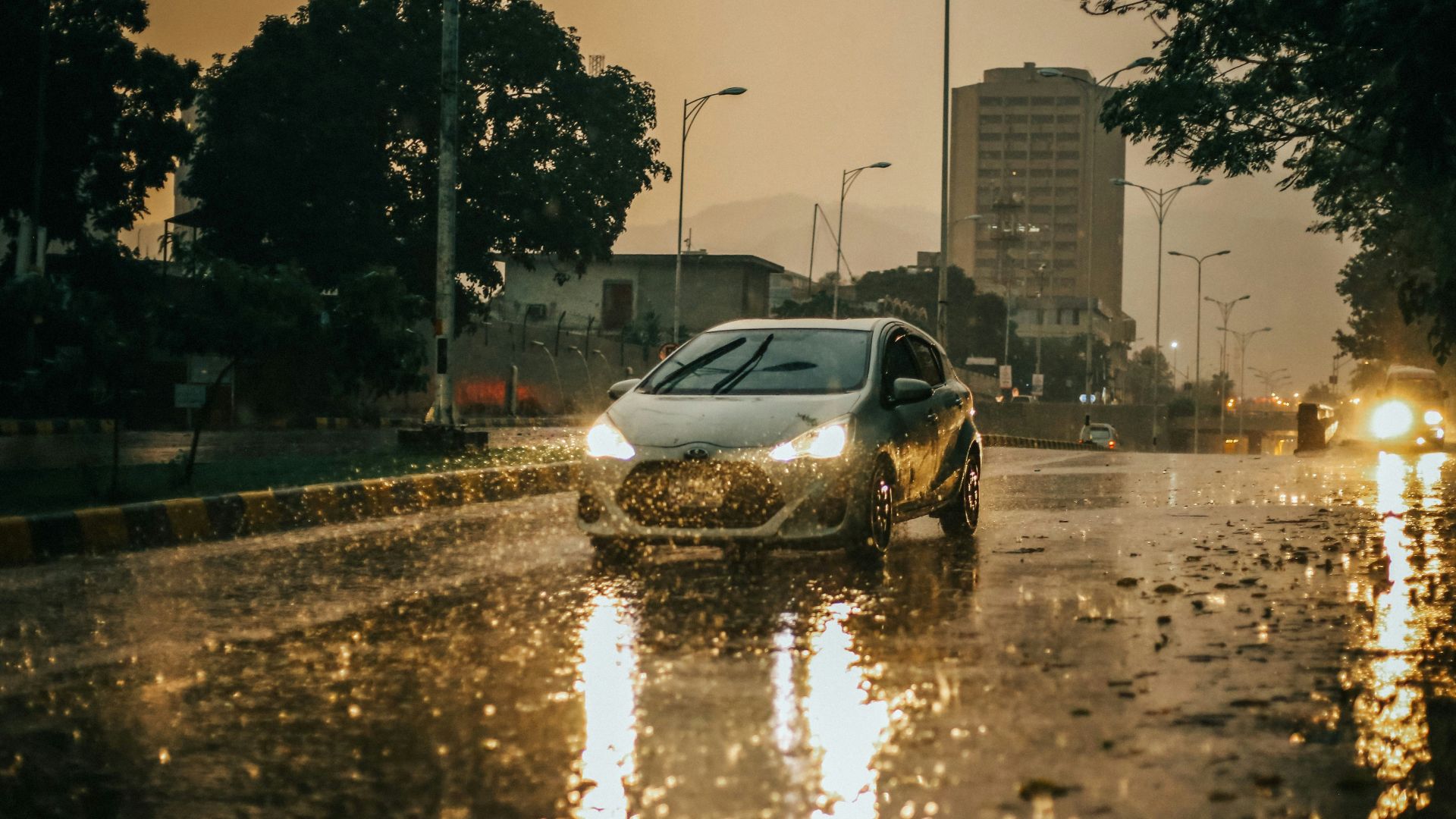
It’s a common thought; your car is dusty, it rains overnight, and suddenly it looks noticeably better the next morning. This leads many drivers to logically wonder, does rain clean your car properly, or is it just an illusion of being clean?
While rainwater can rinse away some loose surface dirt, it is not designed to clean your car in any meaningful or protective way. In fact, relying on rain instead of regular washing can do more harm than good over time. Understanding what rain actually does to your car helps explain why professional car washing still matters, even after a storm.
Why Rain Does Not Actually Clean Your Car
At first glance, rain seems harmless as simple droplets of water. It falls from the sky, spreads across your vehicle, and washes away visible dust.
As it falls, it collects pollutants, airborne dirt, and industrial particles; and when rainwater dries on your car, those contaminants stay behind.
Rainwater Causes Waterspotting
One of the biggest issues that comes out of this phenomenon is known as water spotting. Rainwater contains minerals, in this case, that leave marks as the water evaporates.
- These spots can etch into your clear coat over time, especially if they bake in the sun, essentially chemically bonding them into your coat’s surface level paint. This is why cars often look worse a day or two after rain than they did immediately after.
Persistent and Worsening Car Grime
Rain also does nothing to remove stuck-on grime.
- Road film, bird droppings, tree sap, brake dust, and oily residue are not lifted by rainfall, normally needing a stronger degreaser and level of pressure or friction to part the residual grime from the car surface.
- Rather, rain can spread these contaminants across the surface, increasing the risk of micro scratching when the car dries naturally.
Another common question is whether rain water cleans your car differently to tap water. The answer is that it does, but not necessarily in a positive way. While rainwater may feel softer, it still carries acids and pollutants from our general atmosphere that can slowly degrade paint, trims, and glass.
Acid rain in particular can be damaging, if it sits on the surface for extended periods.
Finally, rain never addresses areas that matter most for long term vehicle health. Wheels, undercarriages, and lower panels collect the most dirt and salt, yet rain rarely reaches these areas effectively. Without proper cleaning, corrosion and wear can quietly build up.
The Better Way to Keep Your Car Clean
So, does rain clean your car in any lasting or protective way? Not really. A proper car wash uses controlled water pressure, specific cleaning solutions, and drying measures to safely remove contaminants without damaging the paint.
- A professional automatic wash is designed to clean evenly, rinse thoroughly, and dry properly. This prevents mineral spotting and reduces the chance of residue being left behind. Protective finishes, such as sealants and surface protectants, also help repel dirt and water, meaning your car stays cleaner for longer after each wash.
- Regular washing also helps you spot issues early. Things like paint damage, scratches, or buildup around trims are easier to address when the car is consistently clean. Over time, this preserves both the appearance and resale value of your vehicle.
Rain might offer a temporary cosmetic lift, but it should never replace a proper wash routine. Treat rain as nothing more than a rinse at best, not a solution.
Closing Thoughts
Rain can make your car look cleaner for a short time, but it does not actually clean or protect it. The contaminants rain leaves behind can cause water spots, dull paint, and long term damage if ignored. A proper car wash removes grime safely, protects your finish, and keeps your vehicle looking its best. If you care about how your car looks and lasts, rain should never be your cleaning plan.
FAQ's
Rain can rinse away loose dust, but it does not remove grime, oils, or contaminants and often leaves mineral residue behind.
No. Rainwater still contains pollutants and minerals that can cause water spots and surface damage over time.
Yes. When rain dries naturally, minerals and contaminants can etch into the paint, especially in sunlight.
Yes. Washing after rain helps remove residue left behind and prevents long term paint damage
No. Rain is not a substitute for proper washing and protective treatments designed for vehicle care.

